The true joy of mathematics is reserved for those who choose to study it deeply.
Mathematical puzzle: Four fours. Starting at one, how many consecutive numbers can you make using 4 4s in each term. You are allowed to use the four number operations, brackets, indices and roots, factorals and fractions. You must include no fewer and no more than four 4s in your quest to hit each number in turn. You are not allowed to use any other digit.
Further challenge: If you use each digit in turn, from one to nine, which allows you to progress the farthest up the list of natural numbers?
Worksheets
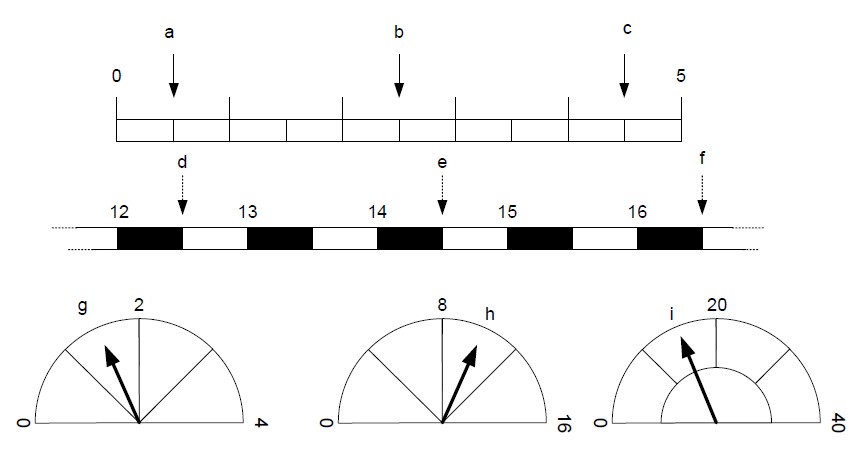
We have a whole host of worksheets to help you to learn about GCSE Mathematics. In addition to this, there are many worksheets that are suitable for Key Stage 2 and 3 as well as some more challenging ones for those of you have chosen to take maths to the next level. To locate these worksheets, look on the specific subject in the navigation bar above and you should be able locate something suitable.
These files are generally saved in pdf format. You can download the reader from the adobe website located here.
Videos
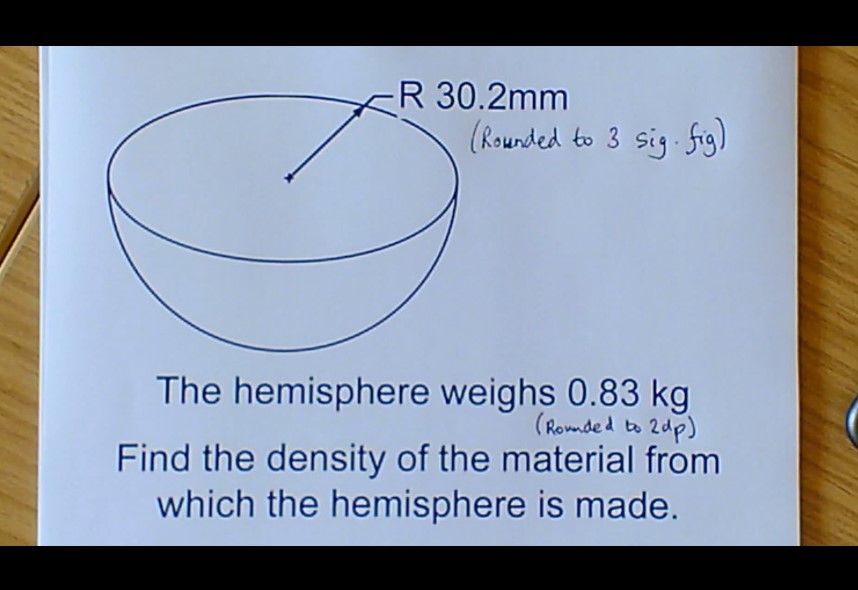
We have put together a whole host of videos to help you to learn about different aspects of GCSE Mathematics. These are clear and concise and often involve places for you to stop the video and answer some questions and then continue to watch it whilst we go through the answers explaining the method.
Many of these videos are quite large in size so we would advise that you use them when you are connected to a network such as your wireless network at home. If you have an amazing mobile data plan, you might be ok though but you have been warned.
Interactive Media
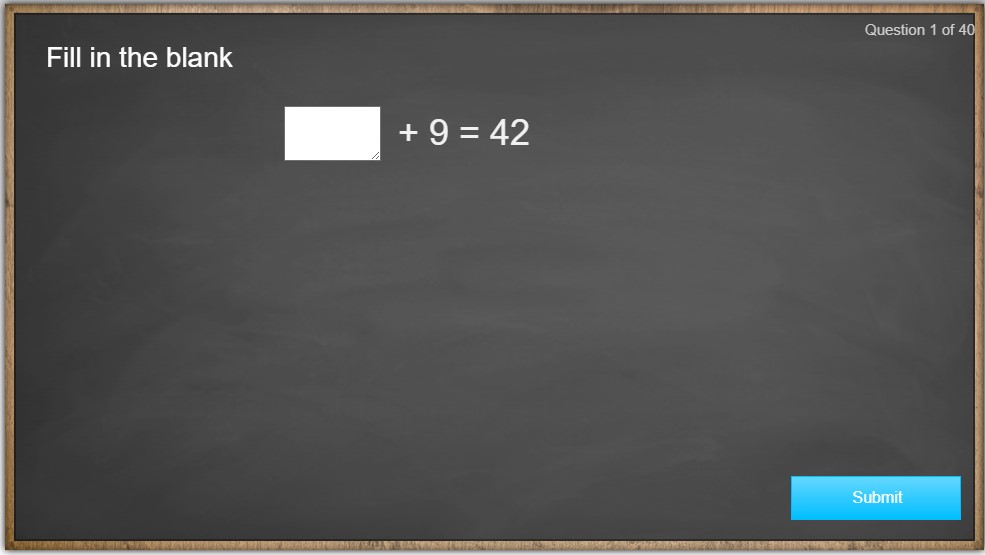
We have some interactive media which sometimes is as simple as loading up a Microsoft Excel spreadsheet or might be using some HTML5 and JavaScript goodies. There are a couple of these types of file that use applets. These provide feedback to users on things such as quizzes in order to help them to practise their knowledge. In mathematics, practice is the key to success. We use these assets to try and make that practice as much fun as we can.